News
The Prime Minister of the DRC, Judith Suminwa confronts Paul Kagame at the AU summit and reveals his motivations for the war
February 14, 2025
The Prime Minister of the Democratic Republic of the Congo, Judith Suminwa, recently confronted the President of Rwanda, Paul Kagame, at the African Union Summit. This confrontation highlighted the tensions between the two countries and the real motivations behind Rwanda's actions towards the DRC.
The relations between the DRC and Rwanda are marked by decades of conflict. Rwanda has been repeatedly accused of supporting armed groups in the DRC, notably the M23, which has recently resumed its activities in the east of the country. These tensions culminated with the resurgence of the M23 at the end of 2021, leading to an escalation of violence in the region
The reasons for the confrontation by Prime Minister Judith Suminwa
Prime Minister Judith Suminwa questioned Rwanda's motivations regarding its actions in the Democratic Republic of the Congo (DRC). At the 38th African Union summit in Addis Ababa, she emphasized that the security argument put forward by Rwanda, particularly the alleged threat of the FDLR, does not hold water. Prime Minister Suminwa pointed out the lack of significant FDLR attacks against Rwanda in recent years, thus questioning the legitimacy of Rwandan interventions in Congolese territory. [1]
At the heart of this controversy is the issue of natural resources. According to UN expert reports cited by Suminwa, Rwanda is allegedly involved in the illegal exploitation of mineral resources in the DRC, particularly coltan[1]. This illegal exploitation is said to be the true driving force behind Rwanda's actions, masked by security pretexts. The Prime Minister has thus called on the international community to recognize that the conflict is more driven by economic interests than by genuine security concerns. [2]
The reaction of President Kagame, the driving force behind the M23 movement
The hasty departure of President Kagame during the African Union meeting in Addis Ababa, following the pointed questions from Congolese Prime Minister Judith Suminwa, highlighted the ongoing tensions between Rwanda and the Democratic Republic of the Congo (DRC). This reaction raised questions about Rwanda's ability to justify its actions in the DRC, particularly regarding its alleged support for the M23 rebel group and its involvement in the illegal exploitation of Congolese natural resources. [3]
The incident has heightened international community concerns about Rwanda's role in destabilizing eastern DRC. Calls for a peaceful resolution to the conflict have increased, with growing pressure on Kigali to cease its support for the M23 and withdraw its troops from Congolese territory. Organizations like The Elders have urged for sincere dialogue and the establishment of a lasting ceasefire, emphasizing the need for stronger international action to end this prolonged conflict. [4]
The Consequences of the Confrontation by Prime Minister Judith Suminwa
The confrontation between Prime Minister Judith Suminwa and President Paul Kagame highlighted the deep tensions between the DRC and Rwanda. Suminwa's speech, directly accusing Rwanda of aggression and support for the terrorist group M23, prompted Kagame to leave the session, unable to respond to the accusations. This incident revealed Rwanda's inability to justify its actions in the DRC and reinforced suspicions about its true motivations, particularly the illegal exploitation of Congolese natural resources. [5]
This confrontation has significant implications for regional stability and the international community. It has sparked renewed attention on the conflict, with renewed calls for a peaceful resolution and concrete actions to end the aggression. The UN Security Council has expressed its deep concern over the escalation of violence, urging the parties to resume diplomatic talks within the framework of the Luanda process. However, the lack of consensus within the Council on how to pressure Kigali and Kinshasa highlights the complexity of the situation and the need for a more coordinated approach by the international community. [6]
The DRC's stance on the aggressions orchestrated by Kagame's regime
The Democratic Republic of the Congo (DRC) maintains a firm stance in the face of tensions with Rwanda, as highlighted by Prime Minister Judith Suminwa during the 38th African Union summit in Addis Ababa. She emphasized the seriousness of the situation, describing Rwanda's actions as aggression and a violation of the fundamental principles of the United Nations Charter and the Constitutive Act of the African Union. Suminwa specifically denounced the illegal occupation of part of Congolese territory by Rwandan troops, under the guise of the M23 rebel group, highlighting the disastrous humanitarian consequences of this conflict. [7]
Despite these tensions, the DRC remains open to dialogue while maintaining a firm stance on its national interests. President Félix Tshisekedi has reaffirmed his country's commitment to the Luanda process, aimed at peacefully resolving the conflict. However, he has clearly set limits, excluding any direct dialogue with the M23, which he labels as a terrorist group. The DRC thus seeks to balance its desire for peace with the need to protect its sovereignty, refusing to yield to external pressures that would go against its national interests. [8]
The Commitment of International Cooperation
International Cooperation has intensified to resolve the conflict between the DRC and Rwanda, as evidenced by the recent emergency session of the UN Security Council." The representatives of the two countries presented their positions, with the DRC demanding the immediate withdrawal of foreign troops and the imposition of targeted sanctions against those responsible for the aggression." The Council expressed its deep concern over the escalation of violence and urged the parties to resume diplomatic talks within the framework of the Luanda process. [9]
Several international actors have taken a stand to promote peace in the region. The European Parliament has called for the suspension of the EU-Rwanda agreement on critical raw materials and to freeze direct budgetary aid to Rwanda until it allows humanitarian access to the crisis area. The United States has condemned the advances of the M23 and Rwanda, calling for a ceasefire, while other countries like China and Russia have emphasized the importance of respecting the sovereignty of the DRC. These actions demonstrate the growing commitment of the international community to resolve this complex conflict. [9]
In conclusion, the confrontation between Prime Minister Suminwa and President Kagame has revealed the extent of tensions between the DRC and Rwanda, highlighting Rwanda's true motivations in the conflict. Rwanda, accused of supporting the rebel group M23, faces increasing international pressure, with countries like Germany and the United Kingdom threatening to suspend their aid[1]. Despite these criticisms, President Kagame maintains a firm stance, rejecting the accusations and stating he is ready for "confrontation." This situation has exacerbated regional tensions, notably with South Africa, whose 13 soldiers were killed in the conflict.
In response to this escalation, the international community has mobilized to try to resolve the conflict. The UN Security Council held an emergency session, calling for the resumption of diplomatic talks within the framework of the Luanda process. However, the lack of consensus within the Council on how to pressure Kigali and Kinshasa highlights the complexity of the situation. The DRC, while remaining open to dialogue, maintains a firm stance on its national interests, excluding any direct dialogue with the M23. This crisis underscores the need for enhanced international cooperation to promote lasting peace in the Great Lakes region.
You can learn more about the relations between the DRC and Rwanda by visiting the website of the DRC Embassy in China: https://www.ambardcchine.org/
More News
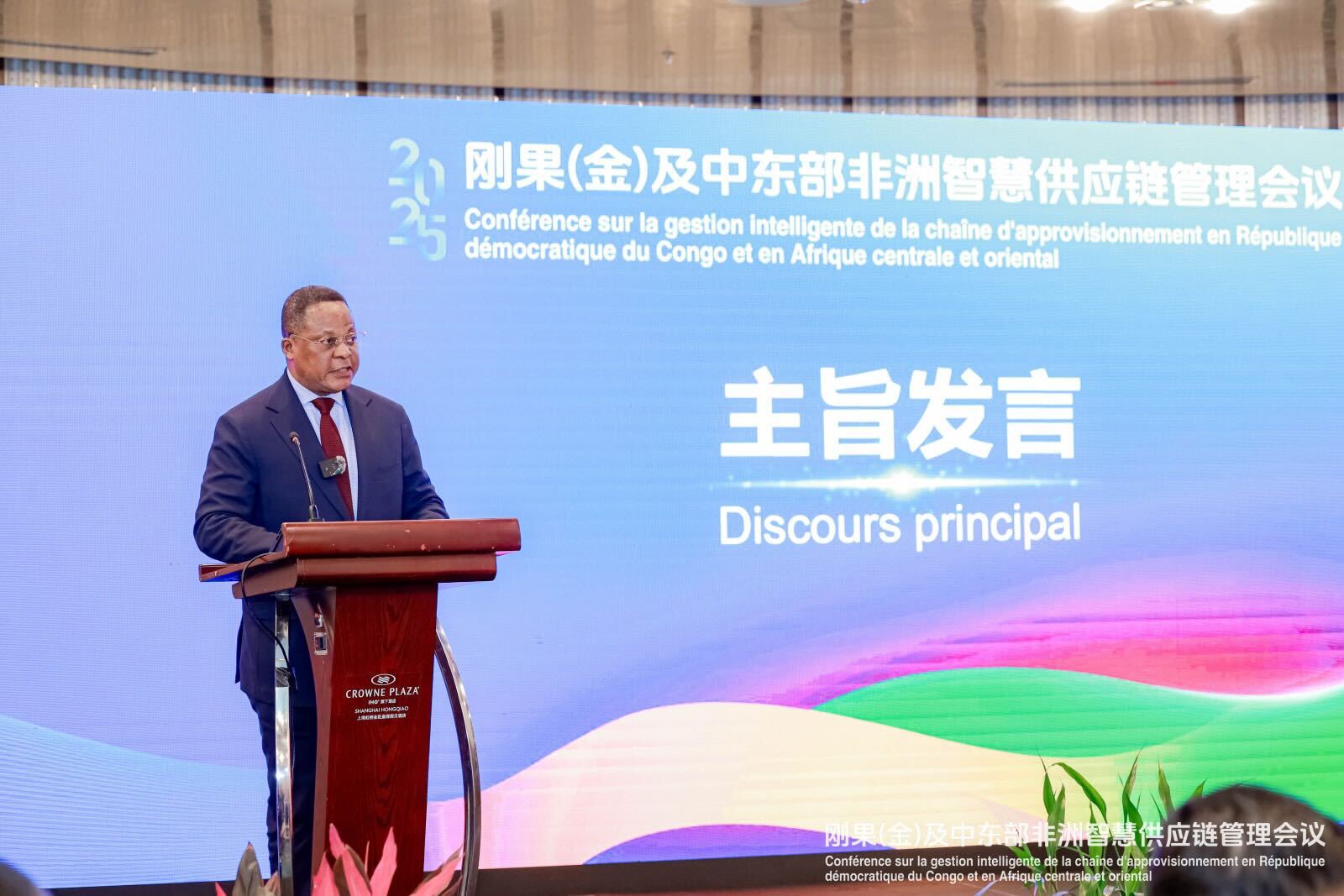
Inauguration du Bureau Chine de l’OGEFREM à Shanghai Hongqiao
12 Décembre 2025
Le 8 décembre, la Conférence sur la gestion intelligente des chaînes d’approvisionnement de la RDC et de l’Afrique centr...
#Cooperation D.R. Congo - China
#Ambassade
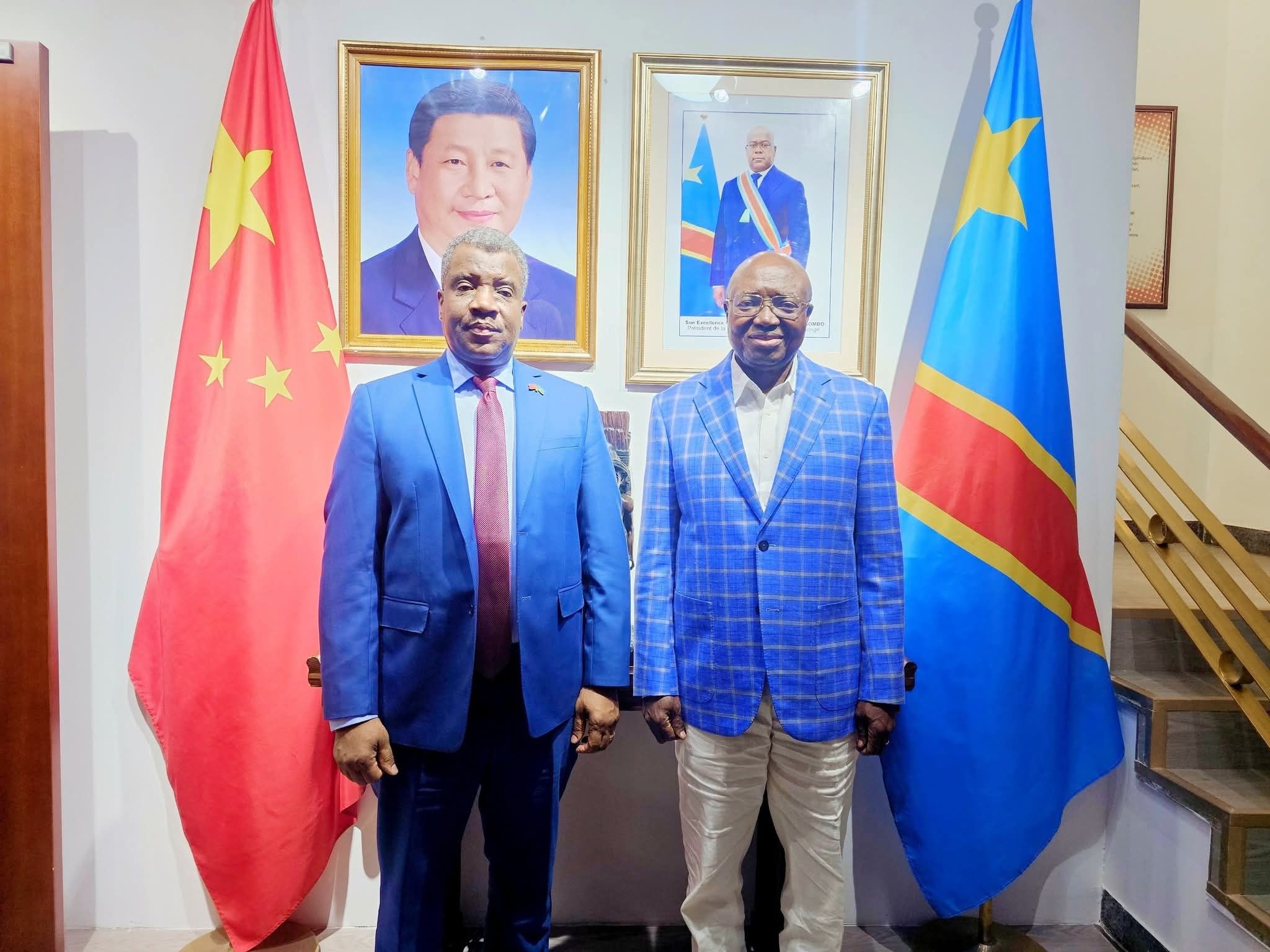
RDC–Chine : L’Ambassadeur François Balumuene reçoit le Représentant Permanent de l’Union africaine à...
11 Décembre 2025
Pékin, le 11 décembre, L’Ambassadeur Extraordinaire et Plénipotentiaire de la République Démocratique du Congo en Chine,...
#Ambassade
#Cooperations
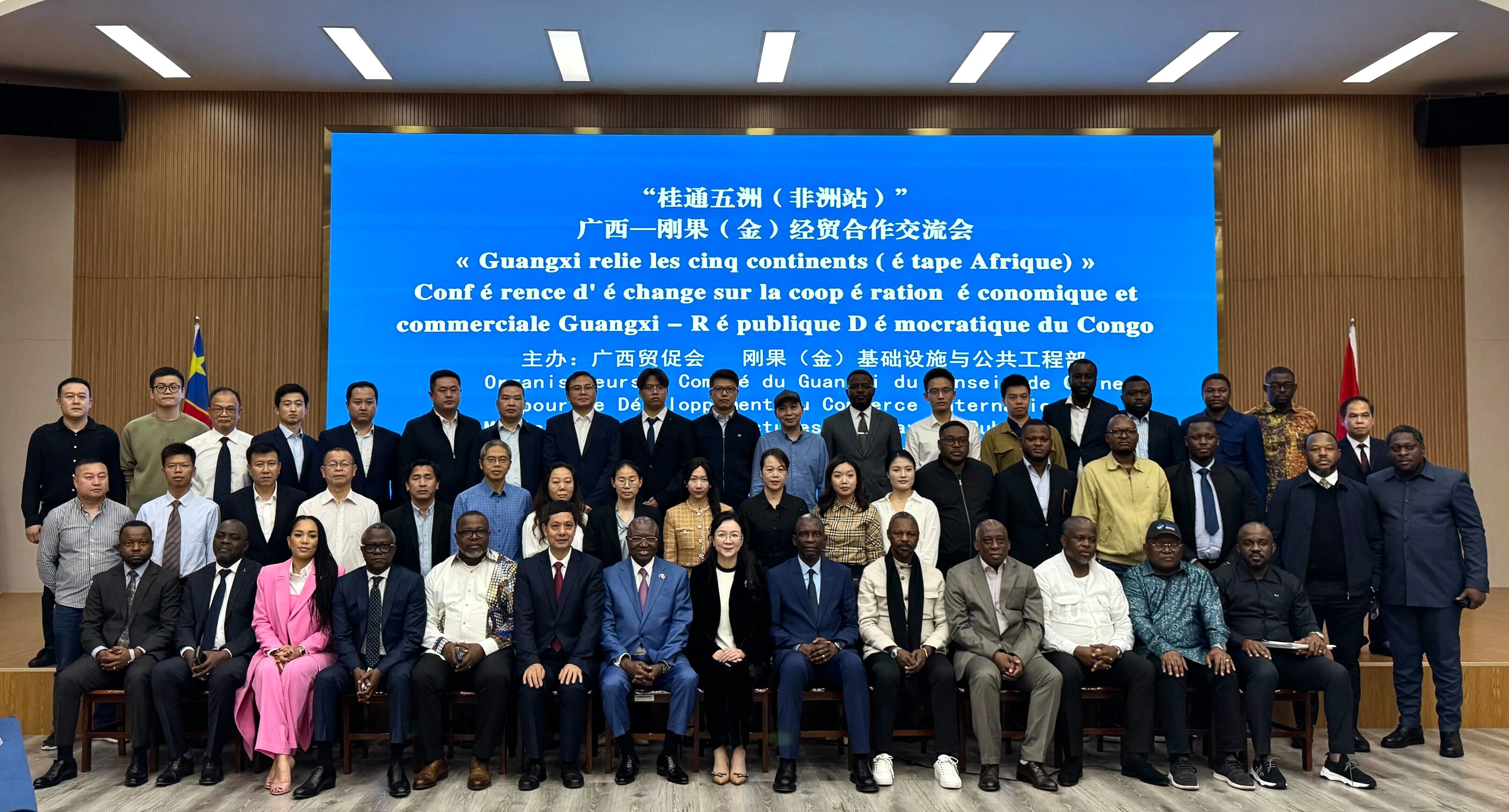
Guangxi et la RDC : Une Nouvelle Dynamique de Coopération Économique
14 Novembre 2025
Le 12 novembre, la Région autonome du Guangxi a accueilli à Nanning la Conférence de coopération économique Guangxi – Ré...
#Cooperation D.R. Congo - China
#Ambassade
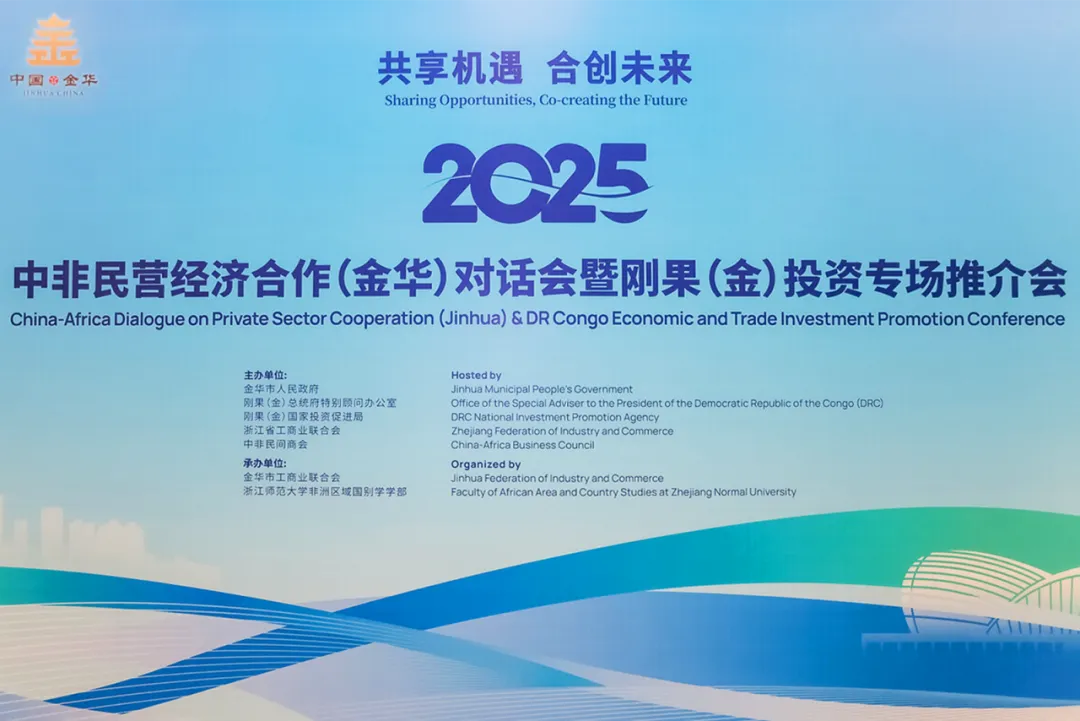
Dialogue Chine–Afrique à Jinhua : La RDC au centre des opportunités d’investissement
08 Novembre 2025
Le 7 novembre, la ville de Jinhua a accueilli le Dialogue 2025 sur la coopération économique Chine–Afrique (secteur priv...
#Cooperation D.R. Congo - China
#Ambassade
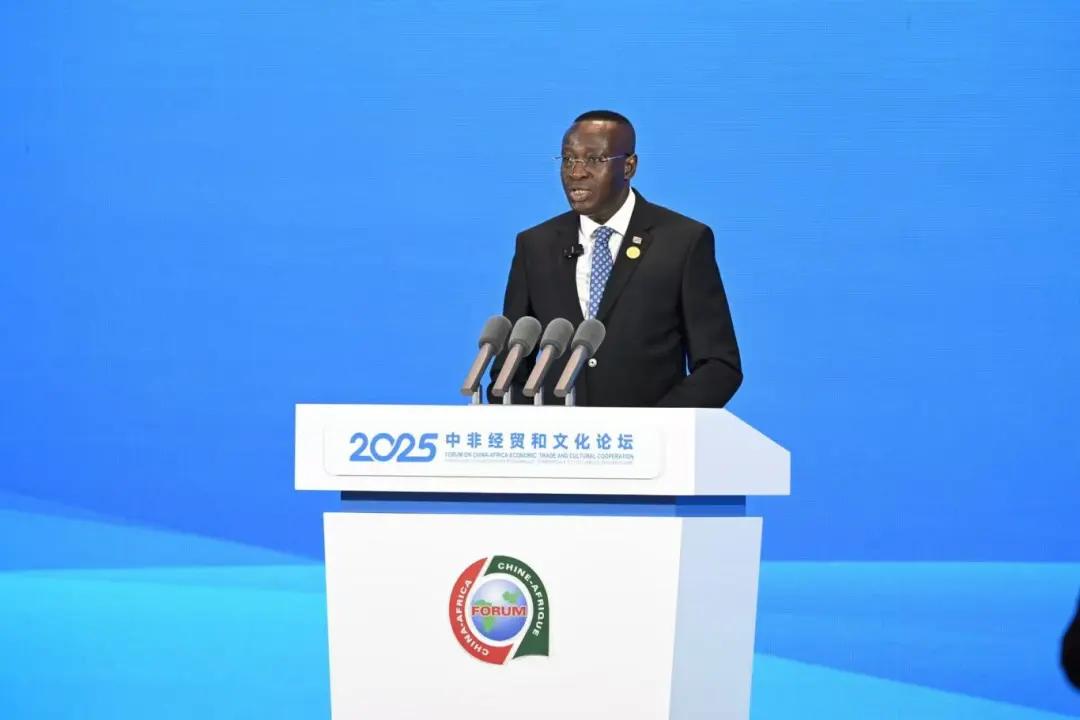
Visite officielle du Vice-Premier Ministre de la RDC en Zhejiang : Vers un nouvel élan de coopératio...
07 Novembre 2025
Du 6 au 10 novembre, M. Mukoko Samba Daniel, Vice-Premier Ministre et Ministre de l’Économie nationale de la République ...
#Cooperation D.R. Congo - China
#Ambassade
Relations Diplomatiques RDC-Ghana
02 Décembre 2025
Le nouvel Ambassadeur du Ghana, accrédité en Chine, S.E. Kojo Bonsu, a rendu une visite de courtoisie à S.E. François Ba...
#Cooperations