
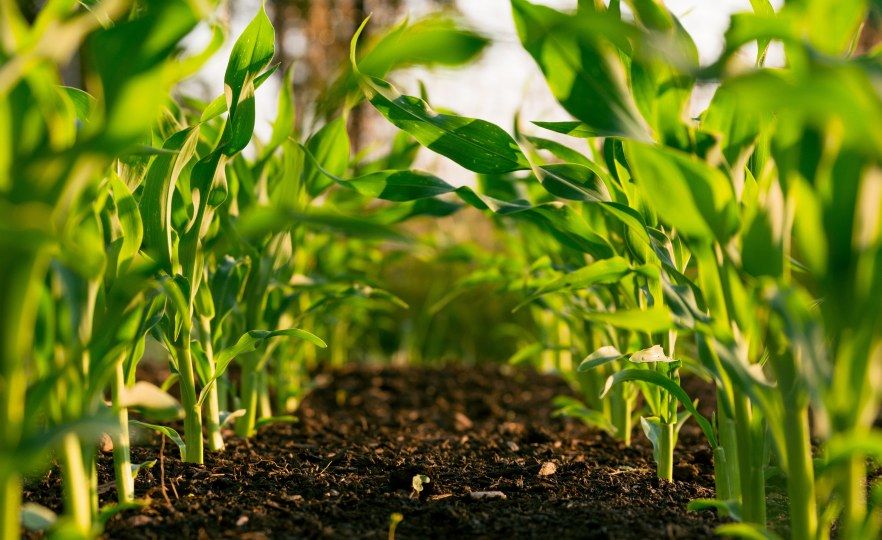
In 2024, the Cocoa Growers Cooperative of the Tshopo province made a significant advancement by utilizing 700 hectares of cocoa trees, leading to the production of several hundred tons of corn for local consumption. This initiative, led by the President of the Cooperative, Dominique Kasimba, goes beyond mere agricultural production; it embodies a holistic vision aimed at transforming traditional farming practices while meeting the region's growing food needs. By integrating perennial crops like cocoa into local agricultural systems, the cooperative aims to create a sustainable model that supports both the local economy and environmental preservation.
The importance of this initiative goes beyond the numbers. It represents a cultural and economic shift for the farmers of Tshopo, who have long been reluctant to adopt sustainable farming practices. By combining food production and reforestation, the cooperative strives to improve not only the living conditions of the farmers but also the local ecosystem. This ambitious project reflects a collective desire to innovate and adapt agricultural methods to contemporary challenges, while ensuring a better future for future generations.[1]
Challenges Faced by the Cooperative: Overcoming Cultural and Social Obstacles in the Struggle for Change
Dominique Kasimba highlighted the cultural challenges the cooperative faced, particularly the initial resistance of the Tshopolais to adopt perennial crops like cocoa. This reluctance often stems from a distrust of new agricultural practices and an attachment to traditional methods that have been used for generations. To overcome these obstacles, it was essential to engage in open dialogue with local farmers to explain the long-term benefits of cocoa and maize. By organizing workshops and information sessions, the cooperative was able to demonstrate how these crops could improve not only their food security but also their income.
This community engagement strategy has built mutual trust between the cooperative and the farmers. By directly involving the farmers in the decision-making process and showing them concrete examples of success, the cooperative has gradually managed to change mindsets. The farmers began to realize that adopting sustainable crops could not only strengthen their food autonomy but also contribute to broader economic development for their community.[2]
The strategy to convince and involve farmers: A participatory model
To strengthen commitment to the project, the cooperative has implemented a participatory approach that values local expertise while integrating modern techniques. This involves not only training on best agricultural practices but also continuous support to help farmers overcome daily challenges related to cocoa and maize cultivation. By providing technical and material support, the cooperative ensures that each member feels supported in their transition to more sustainable practices.
Moreover, this participatory approach has allowed farmers to share their experiences and concerns, thus creating a supportive network within the community. Feedback is essential to adjust cultivated methods to local realities. Thanks to this collaborative dynamic, the cooperative has succeeded in establishing a climate of trust that promotes innovation and experimentation in the agricultural field.[3]
Reforestation and Improvement of Agricultural Income: A Positive Impact on the Environment
One of the main objectives of the cooperative is the reforestation of degraded areas while significantly improving farmers' income. By planting cocoa in these previously fallow areas, they not only restore the local ecosystem but also provide a sustainable source of income for the farmers involved. This method helps enrich the soil while promoting local biodiversity, which is crucial in a region where traditional agriculture has often led to soil erosion and loss of fertility.
En outre, cette initiative permet aux agriculteurs d'accéder à des marchés plus lucratifs grâce à la vente du cacao et du maïs transformé. La diversification des cultures offre une meilleure résilience économique face aux fluctuations du marché agricole traditionnel. Ainsi, non seulement cette approche contribue-t-elle à un environnement plus sain, mais elle assure également une sécurité financière accrue pour les familles agricoles. [4]
Local Transformation and Job Creation: Towards a Circular Economy
The Cocoa Farmers' Cooperative of the Tshopo province brings together 1,680 farmers and has 4,000 hectares of cultivated land. The cooperative does not simply limit itself to farming; it is also involved in the local processing of agricultural products to maximize their added value. Thanks to corn production, it has established a system that allows not only the production but also the processing of this corn into white and yellow semolina. This process not only creates local jobs in the processing sector but also strengthens the economic autonomy of the farmers by allowing them to access the market directly with finished products.
Cette dynamique favorise également l'émergence d'une économie circulaire au sein de la communauté. En transformant localement leurs produits, les agriculteurs réduisent leur dépendance vis-à-vis des intermédiaires tout en augmentant leur pouvoir économique. Cela contribue à renforcer l'économie locale dans son ensemble, car chaque étape du processus — production, transformation et vente — génère des revenus qui restent au sein de la communauté. [5]
In conclusion, the Tshopo Cocoa Farmers Cooperative represents much more than just an agricultural project; it embodies an inspiring model of sustainable agriculture that combines responsible food production, strategic reforestation, and significant economic improvement for its members. The challenges faced by this initiative highlight that change is possible through a collaborative approach that values local expertise while integrating modern techniques adapted to contemporary realities. This model demonstrates that sustainable agriculture can not only feed local populations but also revitalize the regional economy in the face of growing environmental challenges.


