
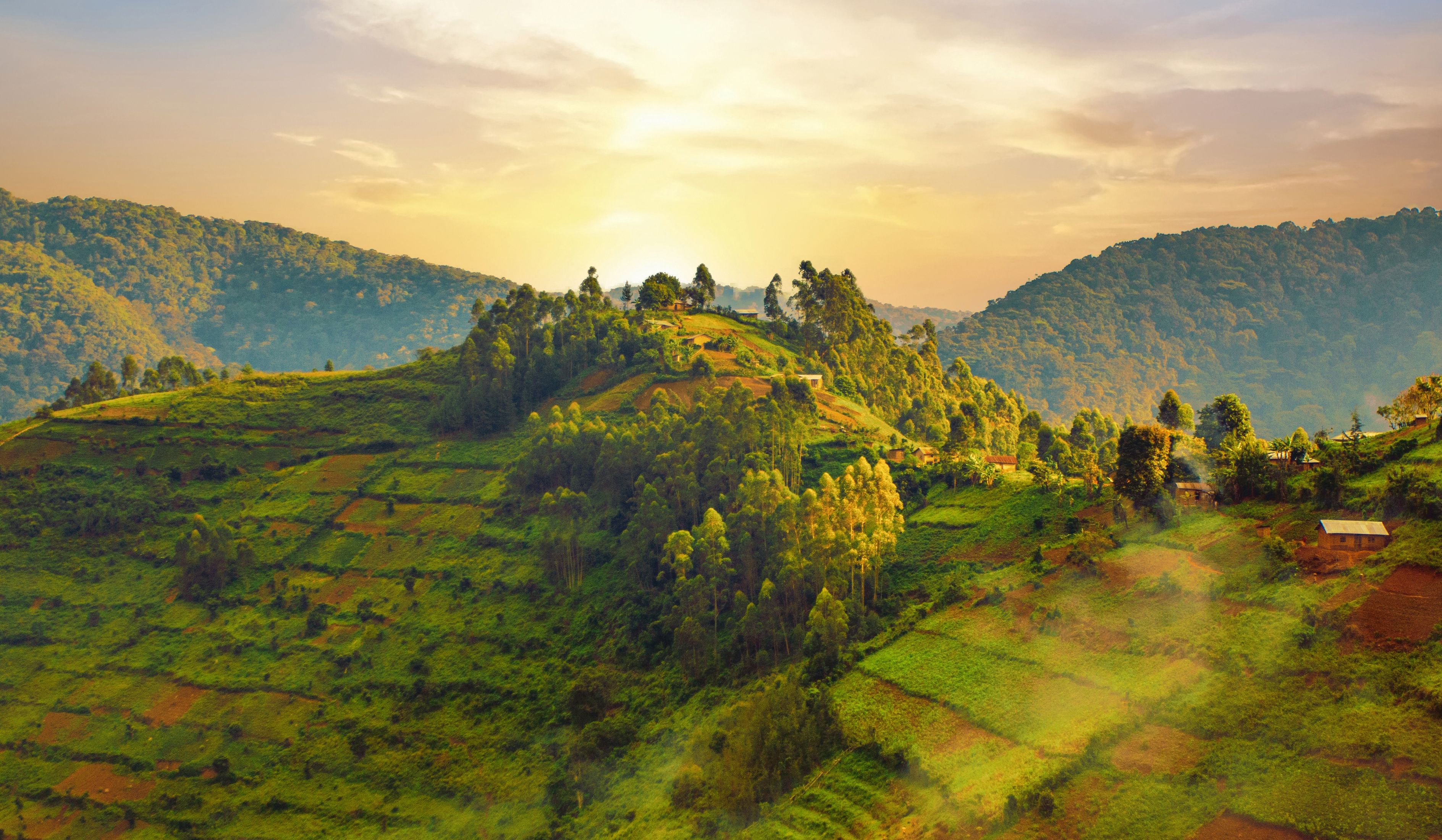
Immense Agricultural Potential
The Democratic Republic of the Congo (DRC) is endowed with vast arable lands that offer considerable agricultural potential, capable of supporting an impressive diversity of crops vital for food security and the global economy. Among these crops are cassava, maize, rice, plantains, beans, peanuts, coffee, cocoa, tea, cotton, and oil palm, demonstrating the country's agronomic wealth.
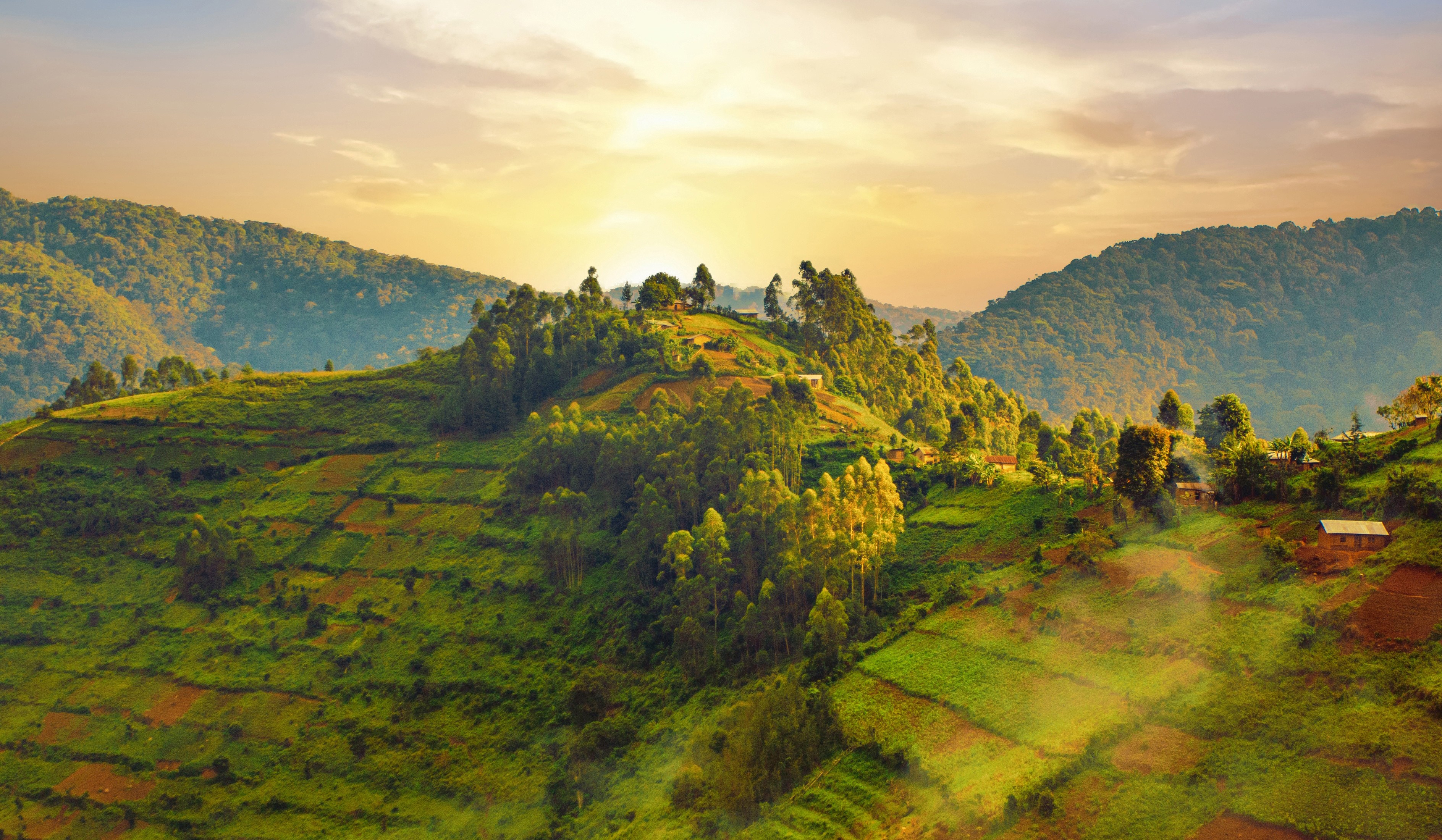
Manioc, in particular, holds crucial importance as a staple food for many Congolese communities, providing essential calories and ensuring fundamental food stability. In 2020, the DRC produced approximately 30 million tons of manioc, making the country one of the world's leading producers of this crop.
Challenges and Opportunities
Despite this immense agricultural potential, the sector faces complex challenges that hinder its full realization. Among the main obstacles are insufficient infrastructure, traditional farming practices, climate fluctuations, and market constraints. These challenges limit agricultural productivity and profitability. According to the World Food Programme (WFP), about 26 million people in the DRC are in a situation of severe food insecurity, highlighting the importance of addressing these challenges.
Initiatives and Investments
To unlock the full potential of Congolese agriculture, increased investment is necessary, coupled with effective agricultural policies and integrated rural development initiatives. These measures could promote the modernization of agricultural practices, encourage crop diversification, improve market access, strengthen climate resilience, and promote the well-being of rural communities.
International partnerships play a crucial role in this transformation. Increased cooperation with countries like China could help address some of these challenges. For example, American and Chinese officials recently discussed food security, highlighting the importance of international cooperation. Organizations such as USAID are also investing to promote inclusive economic growth and food security in the DRC.
Agricultural Challenges
The challenges that the DRC must overcome are numerous:
- Food insecurity : Selon le PAM, environ 26 millions de personnes en RDC sont gravement en insécurité alimentaire.
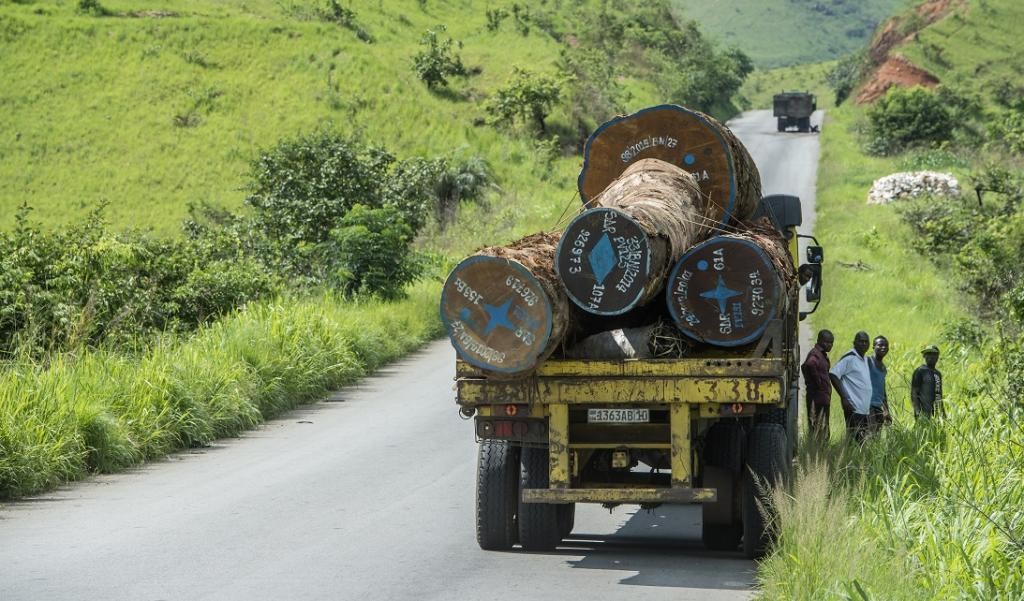
- Inadequate Infrastructure : Les mauvaises infrastructures routières limitent l'accès aux marchés et aux services essentiels.
- Predatory tax systems and corruption : Ces facteurs découragent les investissements et compliquent le développement du secteur agricole.
Investing in the agricultural sector of the DRC presents a unique opportunity to contribute to global food security while achieving significant economic returns. Initiatives aimed at modernizing infrastructure, adopting sustainable agricultural practices, and strengthening international cooperation can transform the Congolese agricultural landscape. The DRC, with its immense agricultural potential and abundant natural resources, is ready to welcome visionary investments for a prosperous and sustainable future.
By stimulating agricultural development, the DRC can not only improve the food security of its population but also promote sustainable and inclusive economic growth across the country. Investors who choose to engage in this sector will find fertile ground for innovation and growth, thus contributing to the transformation of a nation rich in natural resources and human potential.


