
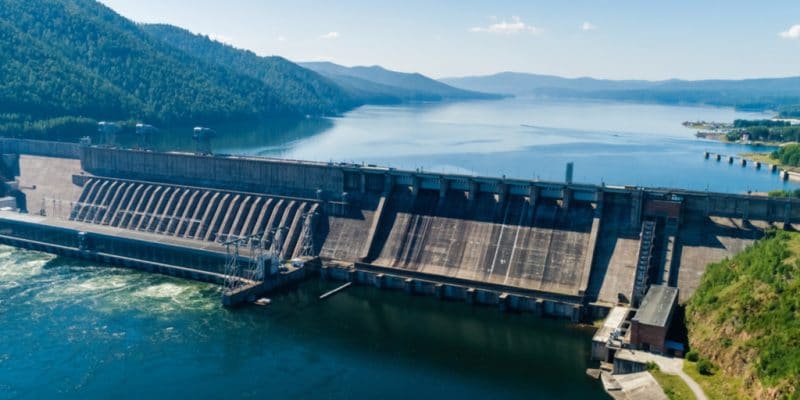
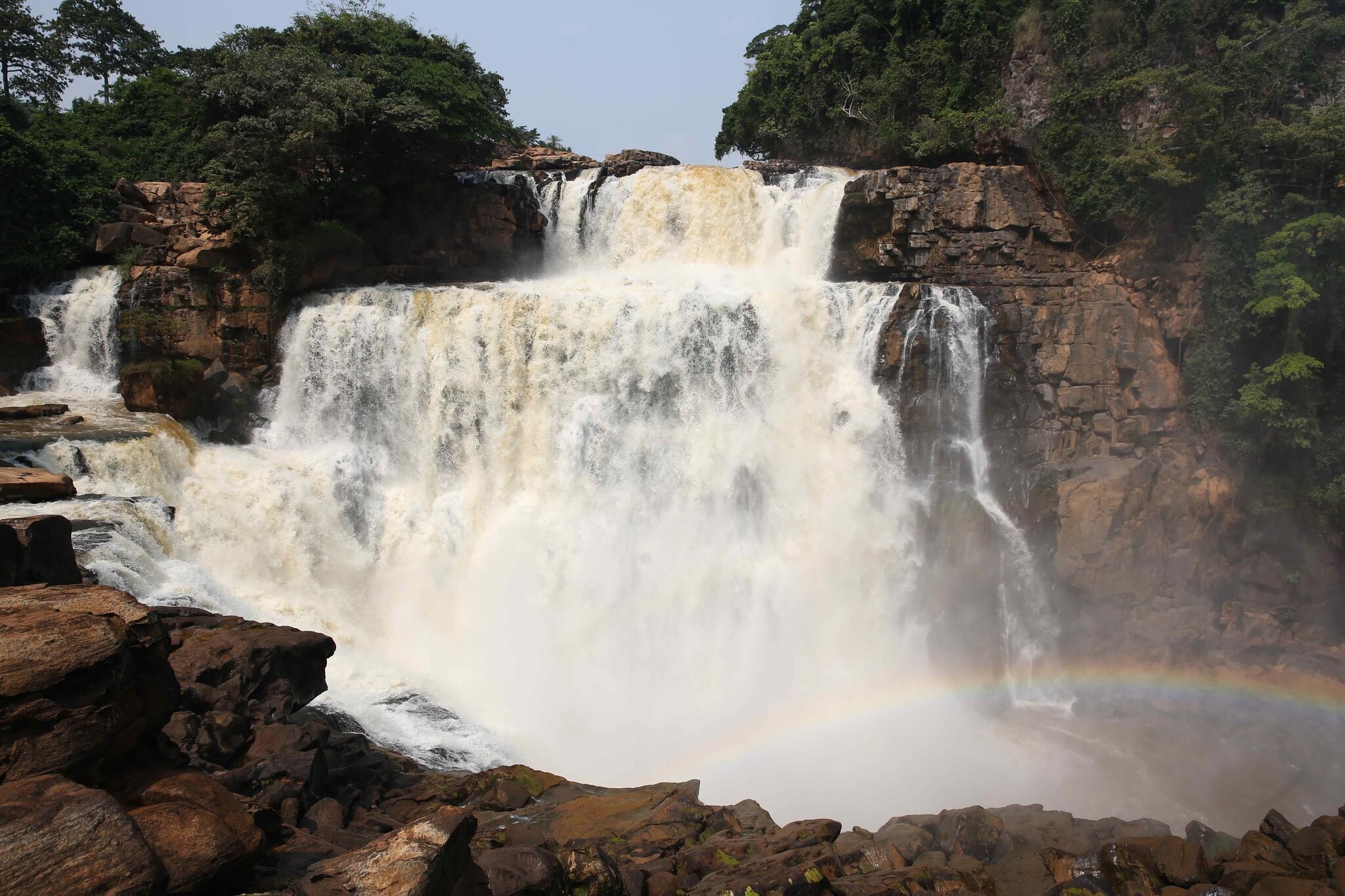
The Democratic Republic of the Congo (DRC) has immense hydroelectric potential, largely thanks to waterways like the Congo River. The latter, one of the largest rivers in Africa, provides an abundant and constant water source, offering exceptional possibilities for electricity production. Currently, the DRC exploits only a small fraction of its hydroelectric potential, paving the way for numerous investment opportunities in this field.
Benefits and Development Opportunities
Electricity Production
With its hydroelectric potential, the DRC has the capacity to produce a considerable amount of electricity from renewable sources. The current installed capacity is 2,500 MW, but the estimated potential exceeds 100,000 MW, with projects like the Grand Inga, which alone could generate up to 40,000 MW. Harnessing this potential would meet the country's growing energy needs and reduce its dependence on fossil fuels.
Job Creation
The development of the hydroelectric sector would lead to the creation of local jobs, particularly in the construction, maintenance, and operation of hydroelectric infrastructure. These projects require both skilled and unskilled labor, thereby stimulating the local economy and helping to reduce unemployment.
Positive Environmental Impact
Hydropower is a clean and renewable energy source that does not produce greenhouse gases or air pollutants. Its exploitation would help reduce the carbon footprint of the DRC and preserve its natural environment. By promoting hydroelectric energy, the DRC can play a crucial role in the fight against climate change and deforestation.
Strengthening Energy Independence
The development of hydroelectric infrastructure would strengthen the energy independence of the DRC, reducing its reliance on fossil fuel imports. It would also stabilize the national power grid, thereby improving access to electricity for businesses and households.
Investment Opportunities
Infrastructure and Modernization
National and foreign investments are necessary to develop and modernize hydroelectric infrastructure in the DRC. These investments may include:
- Construction of New Dams : La création de nouvelles installations comme le projet Grand Inga.
- Modernization of Existing Facilities : Améliorer l'efficacité et la capacité des centrales hydroélectriques actuelles.
- Development of Transport Networks : Construire et moderniser les réseaux de transport d'électricité pour assurer une distribution efficace à travers le pays.
Public-Private Partnerships
Public-private partnerships can play a key role in the development of the hydroelectric sector. These partnerships can facilitate the transfer of technologies, the sharing of financial risks, and the mobilization of necessary resources for large-scale projects.
Green Financing
Investments in hydroelectric projects can benefit from green financing and carbon credits, offering additional incentives to international investors. Development banks and investment funds focused on sustainable development can provide the necessary capital under favorable conditions.
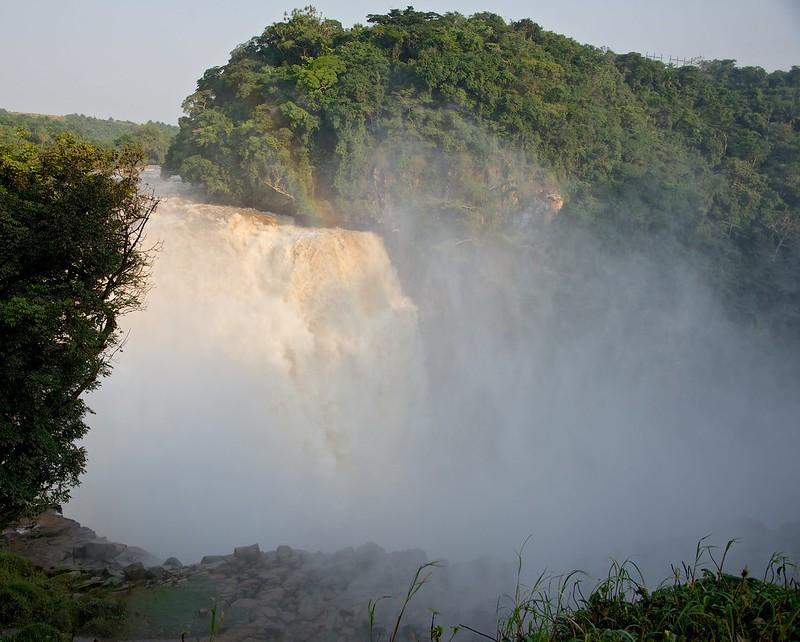
Investing in the hydroelectric sector of the DRC presents a unique opportunity to generate revenue while contributing to the transition to clean and sustainable energy. With immense hydroelectric potential, significant environmental benefits, and job creation opportunities, the DRC offers fertile ground for investments in energy infrastructure. International cooperation and strategic partnerships can play a crucial role in realizing these projects, bringing sustainable economic and social benefits to the DRC.


