News
The D.R. Congo is expected to receive nearly 324 million USD thanks to Chinese Royalties
07 January 2025
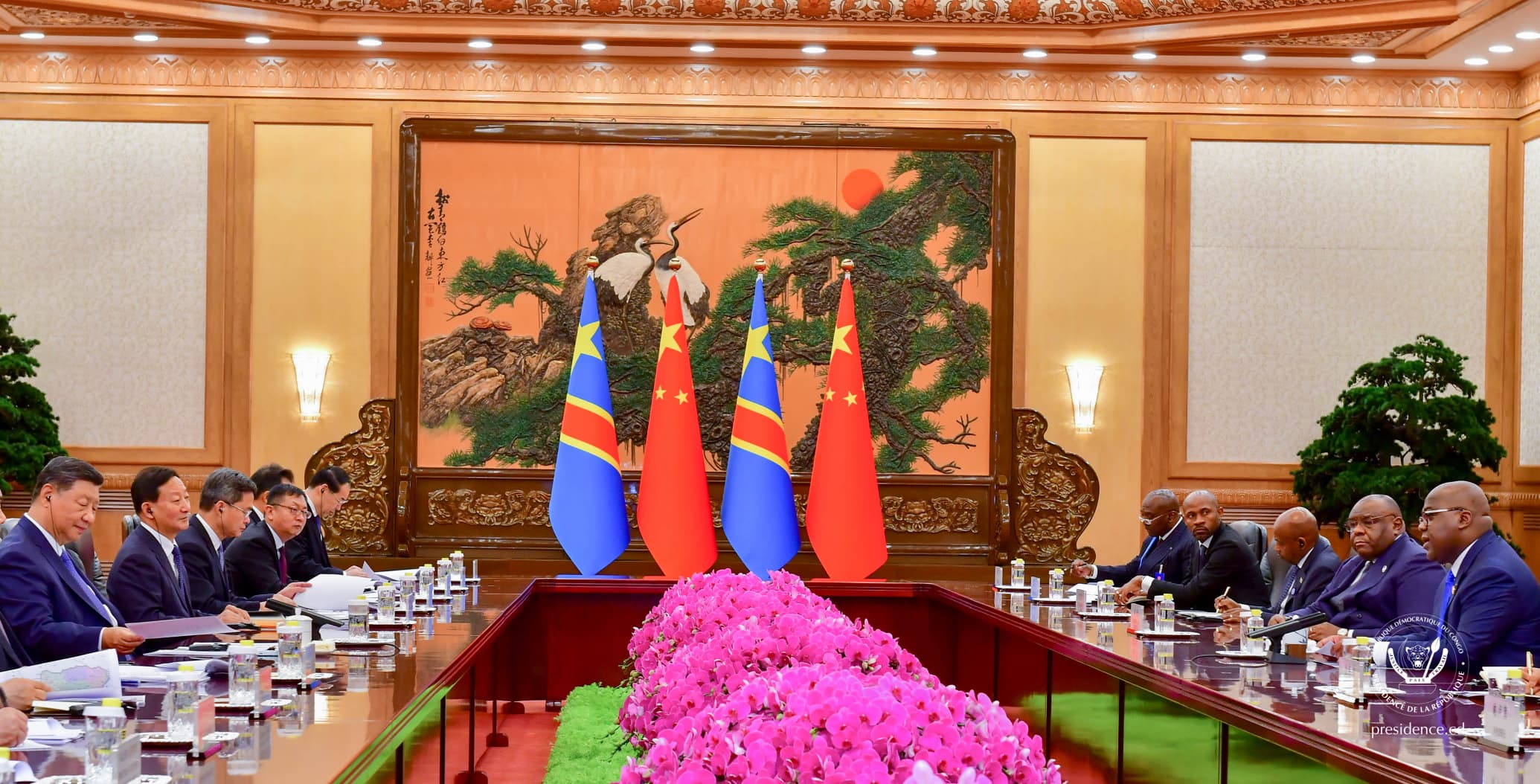
The Democratic Republic of the Congo (DRC) is preparing to enter a new phase of economic development in 2025, with the prospect of receiving a substantial amount of 957.2 billion Congolese Francs, equivalent to 323.9 million dollars in royalties. This amount comes from a revised contract with Chinese companies, which was formalized by an amendment signed in January 2024. This amendment aims not only to strengthen investments in the country's essential infrastructure but also to establish a more equitable framework for resource sharing between the DRC and its foreign partners. The agreement stipulates that the DRC will receive 324 million dollars per year until 2040, as long as the price of copper remains above 8,000 USD per ton. If this threshold exceeds 12,000 USD, a significant percentage of 30% of the additional profits will be allocated to new infrastructure projects.
The importance of this agreement cannot be underestimated in the current context where the DRC is seeking to diversify its sources of revenue and reduce its dependence on external financing. Over the past fifteen years, Chinese companies had only paid a meager amount of 1.2 billion dollars, a figure that does not reflect the extent of natural resources extracted from Congolese soil. With the revision of the contract, these companies are now required to contribute 6 billion dollars over the next two decades, which represents a significant and expected increase in investments in the country. The funds thus collected will be primarily allocated to the construction of roads and other essential infrastructure, thereby contributing to economic development and improving living conditions for the Congolese.[1]
The reasons behind the contract renegotiation and its implications for the DRC
The need to renegotiate the initial contract stems from an in-depth study conducted by the General Inspectorate of Finance (IGF), which highlighted a glaring financial imbalance in favor of Chinese companies. This study revealed that the previous terms were not favorable to the DRC, prompting President Félix Tshisekedi to engage in serious negotiations to secure a better profit-sharing arrangement. The new agreement is not only a victory for the Congolese government; it also represents a major step towards more equitable and responsible management of the country's natural resources.
In addition to the expected royalties, the DRC will benefit from increased co-management of the Sino-Congolese mining company (SICOMINES), where it now holds 32% of the shares. This enhanced participation will allow the Congolese government to exercise better control over mining production and associated sales, ensuring that the profits from natural resources are reinvested in local development. This change is crucial for establishing a more balanced relationship between the country and its foreign investors, while ensuring that national interests are protected.[2]
The expected impact on infrastructural and economic development
The funds collected from royalties should allow for the construction of approximately 300 kilometers of roads each year, which is essential for improving accessibility in a country where road infrastructure is often insufficient. For the year 2024, forecasts indicate that the DRC could receive 624 million dollars, enough to build at least 500 additional kilometers of road infrastructure.
Jules Alingete also indicated that this amount allocated to investments may vary due to the price of raw materials on international markets. However, it is important to note that the viability of these commitments will heavily depend on fluctuations in the global copper market. Congolese authorities will closely monitor prices to ensure that investments proceed as planned. Prudent resource management and adequate anticipation of market trends will be essential to maximize the benefits derived from this agreement. Furthermore, it will be crucial to establish a solid regulatory framework that ensures these funds are used effectively and transparently for the well-being of the Congolese people.[3]
A significant advancement in natural resource management
The revision of the Chinese contract is seen as a significant advancement in the management of the country's natural resources. It offers a unique opportunity to stimulate local development while ensuring better financial transparency. By increasing its share in SICOMINES and obtaining greater co-management, the DRC strengthens its control over its natural resources, which is essential to ensure that these riches truly benefit its population.
This new dynamic could also serve as an example for future agreements with foreign investors. The DRC thus demonstrates its willingness to establish more balanced and equitable relationships with its trading partners, ensuring that the benefits are shared more fairly among all stakeholders involved in the exploitation of natural resources. Furthermore, this approach could strengthen the country's position in the international market as a responsible and reliable player in the mining sector.[4]
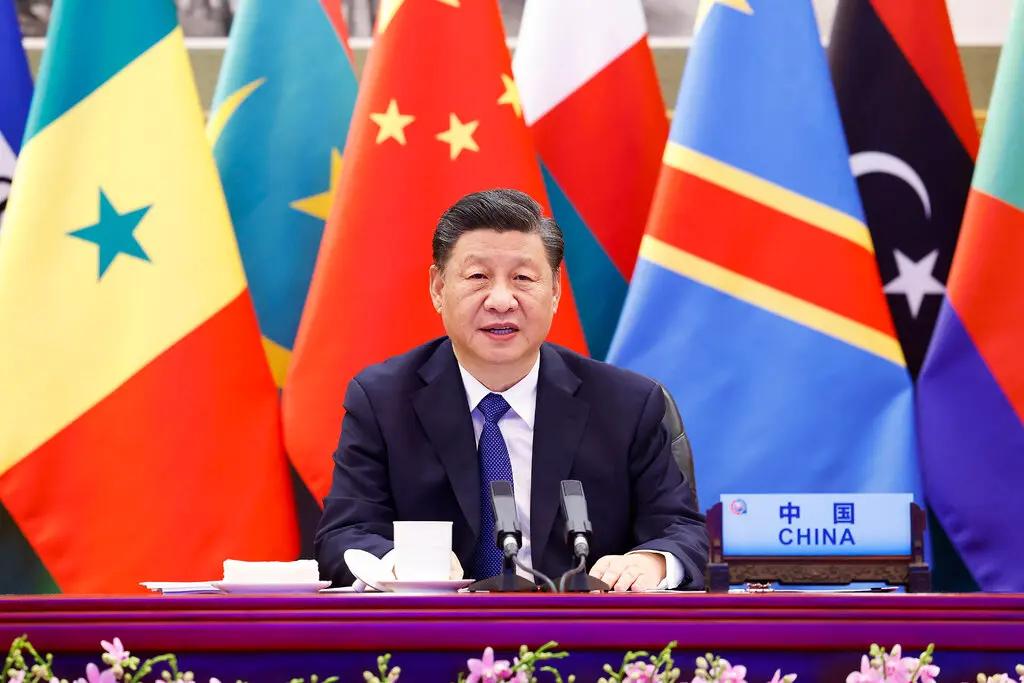
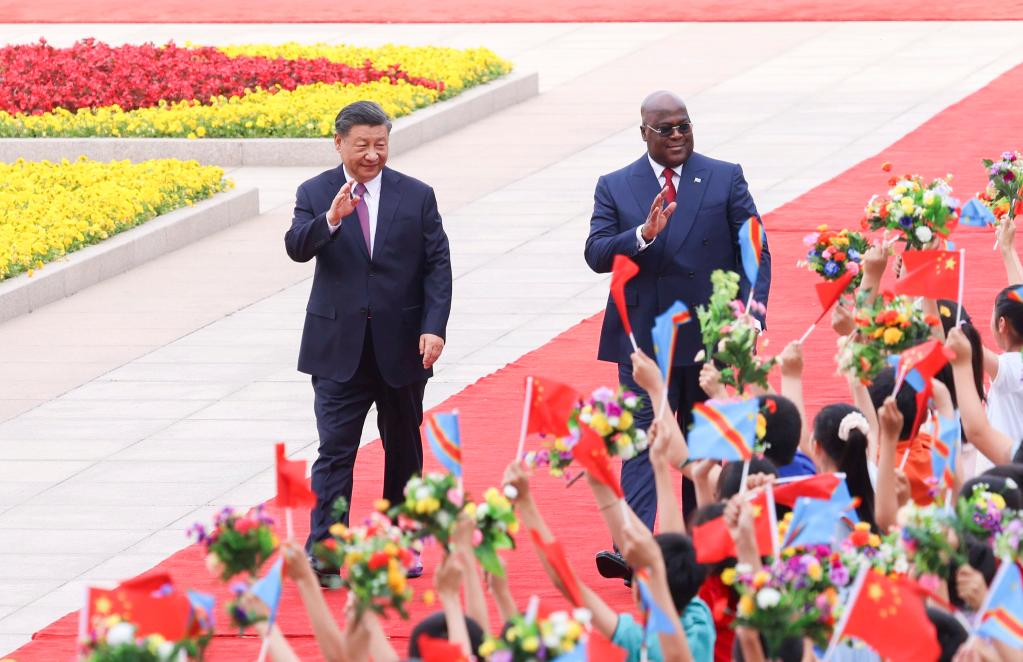
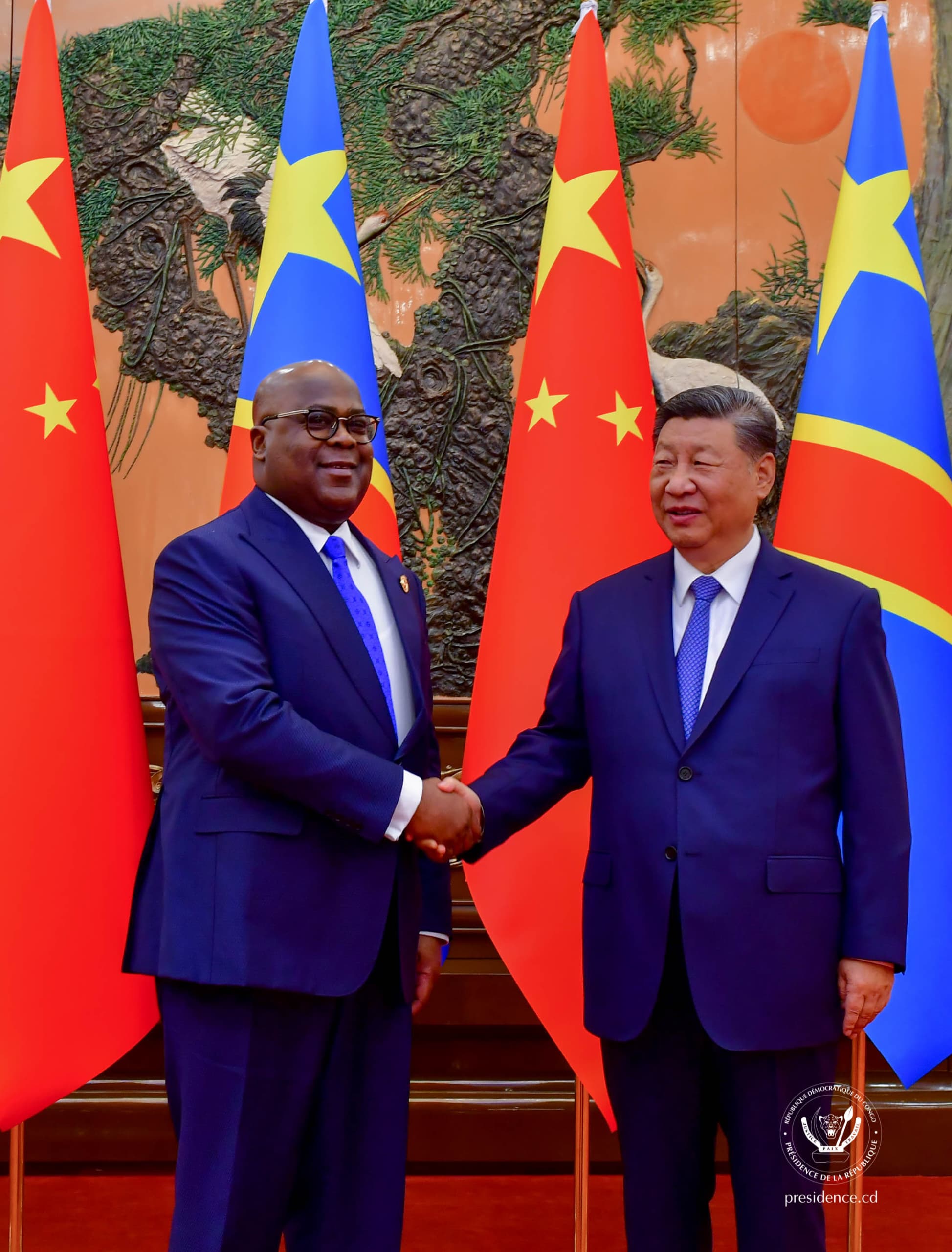
In conclusion, the revised agreement between the Democratic Republic of the Congo and Chinese companies represents a major step towards sustainable and balanced development. The expected royalties will not only improve essential infrastructure but also strengthen the country's economic autonomy in the face of external fluctuations. This strategic partnership could also pave the way for more economic opportunities for the DRC on the international stage.
The DRC thus positions itself as a key player in the global natural resources market while highlighting its economic potential to foreign investors, particularly Chinese. This strengthened cooperation could contribute to a prosperous future for the country and its citizens, while ensuring that the benefits derived from natural resources are used to improve living conditions and promote inclusive and sustainable development. This agreement marks not only an economic advancement but also a socio-political turning point towards more responsible and transparent governance in the exploitation of national wealth.
More News
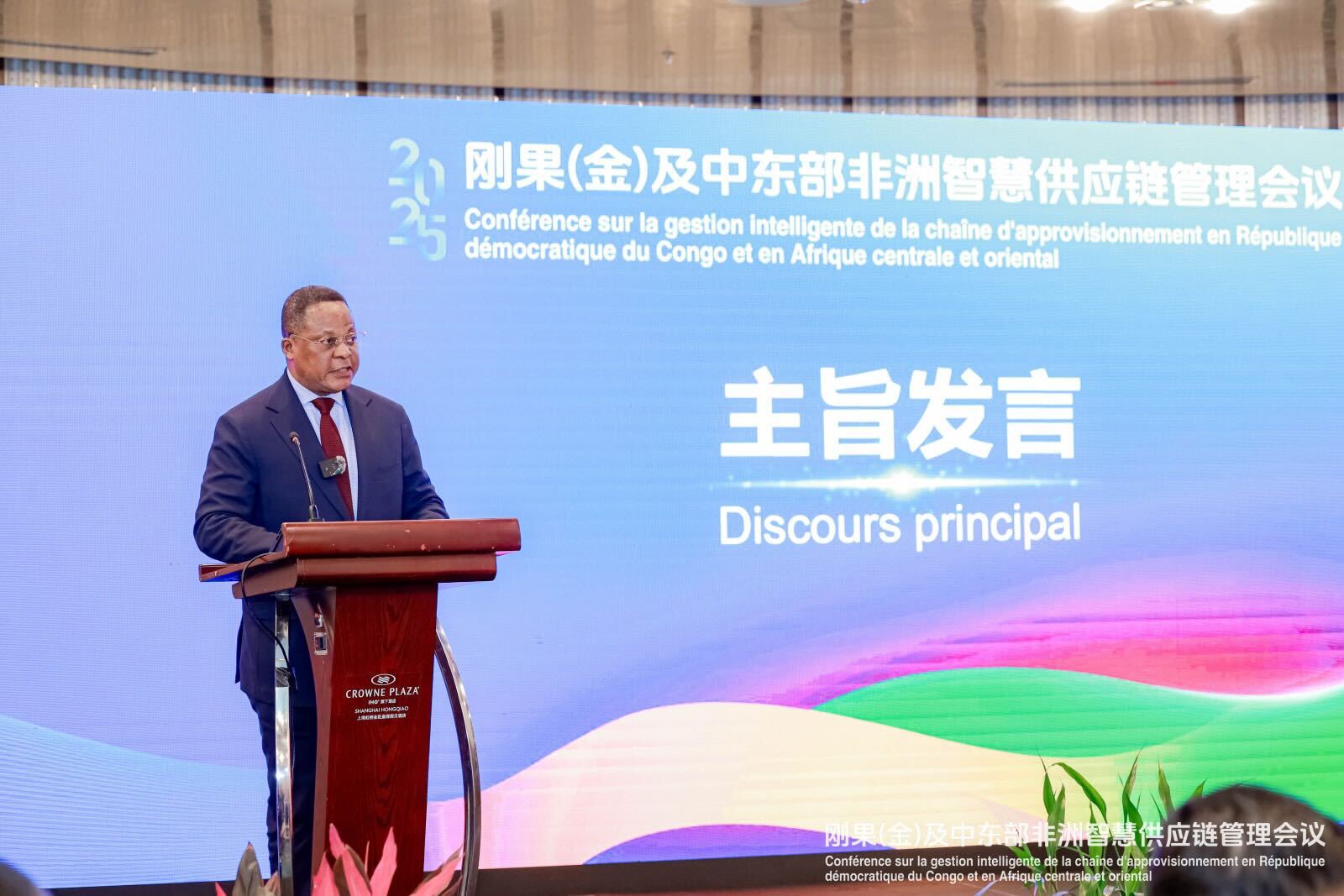
Inauguration du Bureau Chine de l’OGEFREM à Shanghai Hongqiao
12 Décembre 2025
Le 8 décembre, la Conférence sur la gestion intelligente des chaînes d’approvisionnement de la RDC et de l’Afrique centr...
#Cooperation D.R. Congo - China
#Ambassade
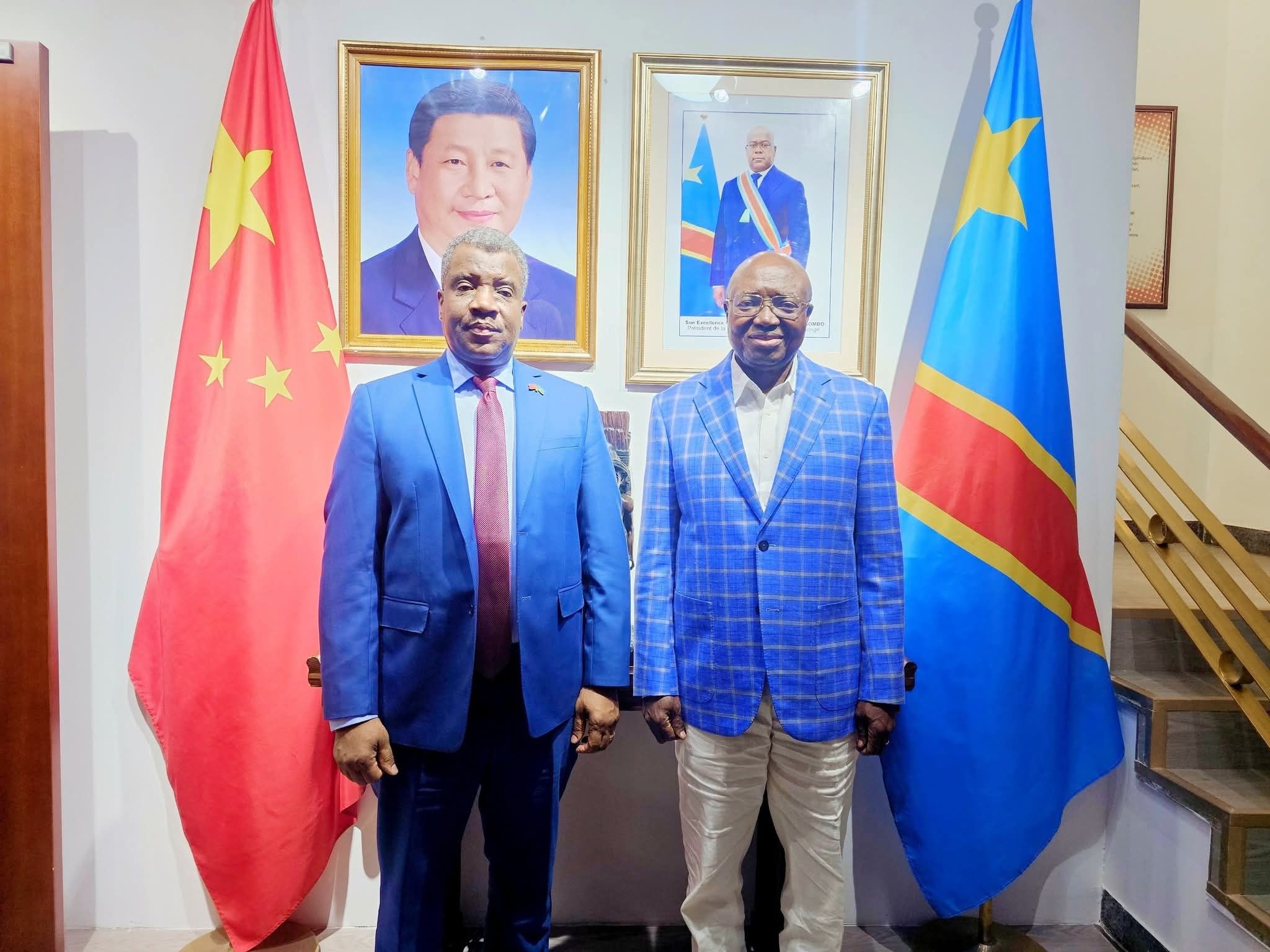
RDC–Chine : L’Ambassadeur François Balumuene reçoit le Représentant Permanent de l’Union africaine à...
11 Décembre 2025
Pékin, le 11 décembre, L’Ambassadeur Extraordinaire et Plénipotentiaire de la République Démocratique du Congo en Chine,...
#Ambassade
#Cooperations
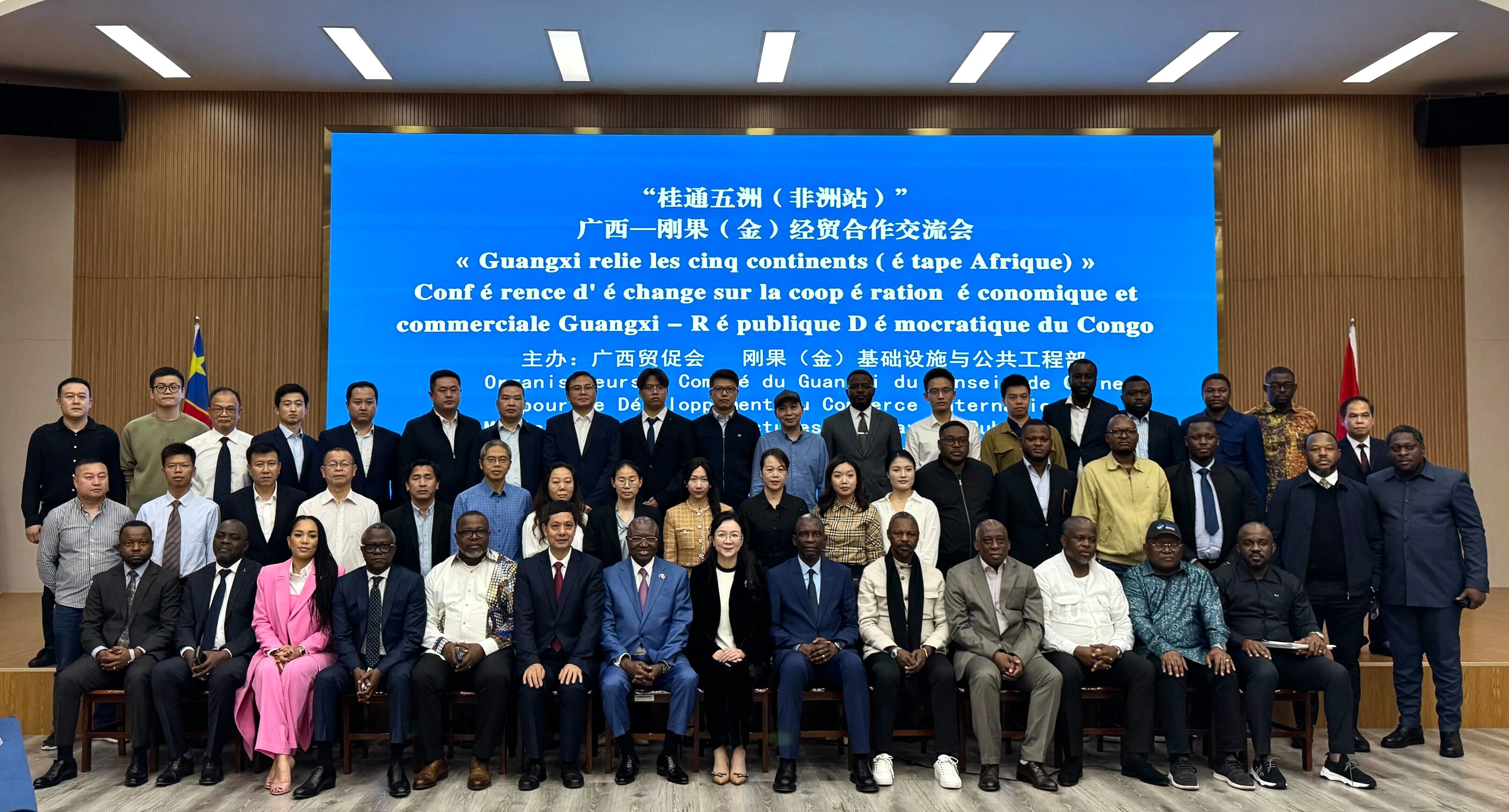
Guangxi et la RDC : Une Nouvelle Dynamique de Coopération Économique
14 Novembre 2025
Le 12 novembre, la Région autonome du Guangxi a accueilli à Nanning la Conférence de coopération économique Guangxi – Ré...
#Cooperation D.R. Congo - China
#Ambassade
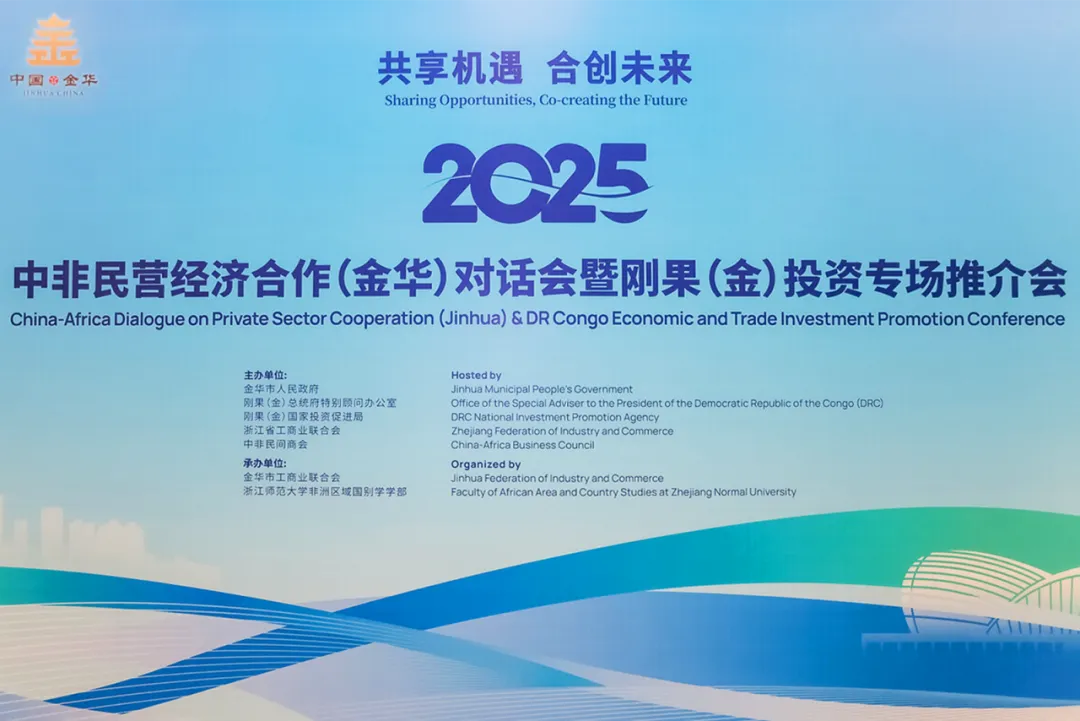
Dialogue Chine–Afrique à Jinhua : La RDC au centre des opportunités d’investissement
08 Novembre 2025
Le 7 novembre, la ville de Jinhua a accueilli le Dialogue 2025 sur la coopération économique Chine–Afrique (secteur priv...
#Cooperation D.R. Congo - China
#Ambassade
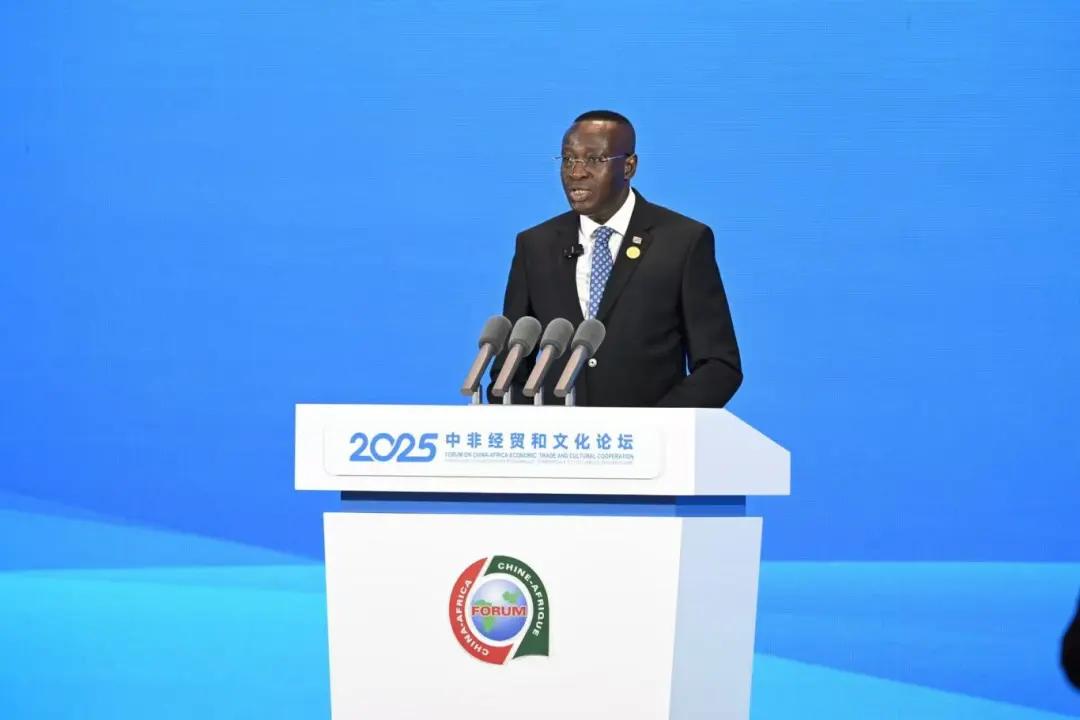
Visite officielle du Vice-Premier Ministre de la RDC en Zhejiang : Vers un nouvel élan de coopératio...
07 Novembre 2025
Du 6 au 10 novembre, M. Mukoko Samba Daniel, Vice-Premier Ministre et Ministre de l’Économie nationale de la République ...
#Cooperation D.R. Congo - China
#Ambassade
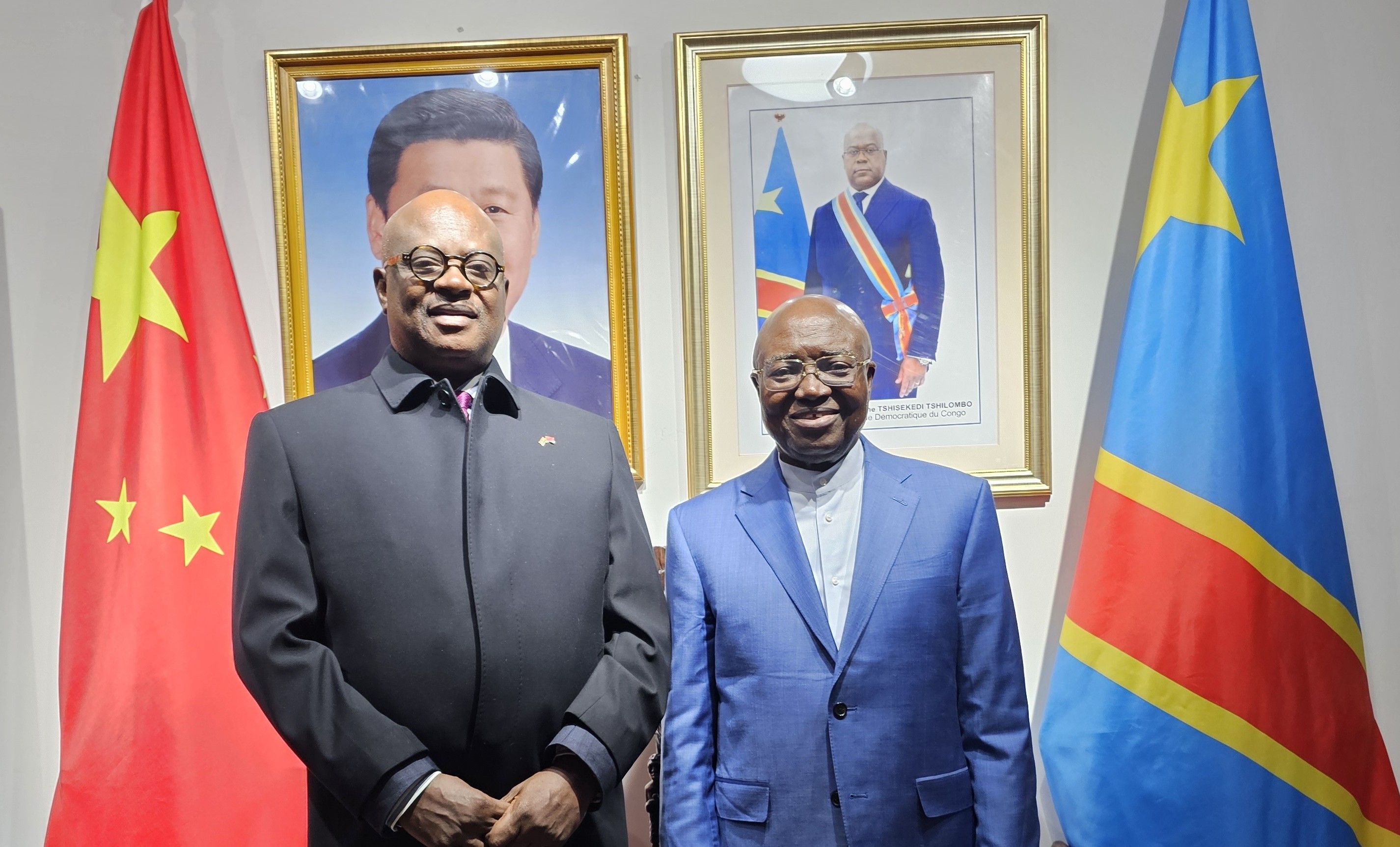
Relations Diplomatiques RDC-Ghana
02 Décembre 2025
Le nouvel Ambassadeur du Ghana, accrédité en Chine, S.E. Kojo Bonsu, a rendu une visite de courtoisie à S.E. François Ba...
#Cooperations